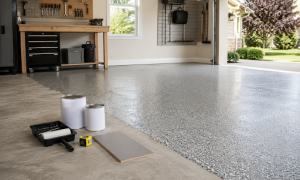
A residential garage handles more daily stress than many other areas of the home. Vehicle weight, wet tires, road salt, tools, storage cabinets, oil, and regular foot traffic can gradually affect untreated concrete. Over time, the floor may develop stains, cracks, dusty areas, or a generally unfinished appearance.
For homeowners in Woodland Park, NJ, seasonal rain, winter moisture, snow residue, and road salt can add even more wear to garage concrete. Upgrading the floor can make the space easier to maintain and give it a more finished look, but the right system should be chosen based on more than appearance alone.
Concrete condition, surface preparation, coating type, traction, maintenance, and project budget all influence the final result. Understanding these factors before installation can help homeowners choose a garage floor that fits both their daily needs and long-term expectations.
Start With the Way You Use the Garage
Before choosing a coating, consider how the garage functions from day to day. Some homeowners use the space mainly for parking vehicles and storing seasonal items. Others turn part of the garage into a workshop, home gym, hobby area, or organized storage room. Each use creates different flooring demands.
A parking garage must handle tire pressure, road salt, moisture, and automotive fluids. A workshop may also experience dropped tools, rolling equipment, and chemical spills. A home gym may place greater importance on traction, comfort, and ease of cleaning. Understanding how the garage is used helps determine the required coating thickness, texture, topcoat, and level of protection.
Inspect the Existing Concrete First
A coating performs best when the concrete beneath it is stable and properly prepared.
Before installation, the slab should be checked for:
- Cracks
- Pitting
- Oil stains
- Old paint
- Previous sealers
- Loose concrete
- Uneven sections
- Moisture-related damage
Small cracks may require basic repair, while wider cracks or damaged areas may need more detailed treatment. Oil contamination also deserves attention. Concrete is porous, so grease and automotive fluids can penetrate below the visible surface. If residue remains, it may interfere with the bond of the new coating. A proper inspection helps homeowners understand what preparation work is required before decorative decisions are made.
Understand What Garage Epoxy Systems Include
Professionally installed epoxy garage floor coatings may involve several layers rather than one simple coat of material.
Depending on the project, the system may include:
- Mechanical concrete preparation
- Crack repair
- Primer
- Epoxy base coat
- Decorative flakes
- Protective topcoat
- Slip-resistant texture
Each layer serves a different purpose.
The base coat creates the main bonded surface. Decorative flakes can add color and texture while helping make dust and minor marks less noticeable. A protective topcoat helps shield the layers beneath it from abrasion, spills, and everyday wear. Homeowners should ask contractors exactly what is included in the proposed system because two estimates may use the same general term while offering very different installation processes.
Surface Preparation Can Determine Performance
Surface preparation is one of the most important parts of a garage flooring project. Professional installers commonly use mechanical grinding or shot blasting to remove weak material and create a surface profile that allows the coating to bond more effectively.
Preparation may also involve removing:
- Old paint
- Sealers
- Adhesive residue
- Oil contamination
- Loose concrete
- Surface imperfections
Simply washing the floor may make it look clean, but it does not always create the surface profile required for strong adhesion. This is why a lower quote that includes minimal preparation should be compared carefully with a more complete proposal. Good preparation is not the most visible part of the finished garage, but it can have a major effect on how well the coating performs.
Check for Moisture Before Coating
Concrete can appear dry while moisture vapor is still moving through the slab. Possible warning signs include white mineral deposits, dark patches, peeling paint, bubbling coatings, or recurring damp areas. If moisture levels are high, the installer may recommend additional testing or a moisture-control primer. A coating should not be used to hide an active water problem. Drainage issues, leaks, or water entering beneath the garage door should be addressed separately. For garages in Woodland Park, NJ, seasonal moisture and wet vehicles make this evaluation especially important.
Decide Between Solid, Flake, and Decorative Finishes
Garage epoxy systems are available in several styles.
Solid-Color Epoxy
Solid-color systems provide a clean and uniform appearance. They may suit homeowners who want a simple floor without a strong decorative pattern.
Decorative Flake Systems
Flake systems use colored vinyl flakes broadcast into the coating. These create visual texture and can help make dust, small marks, and normal wear less noticeable. Flake flooring is a common choice for garages because it combines a finished appearance with practical everyday use.
Metallic Epoxy
Metallic systems create flowing patterns that may resemble marble or polished stone. They can work particularly well in garages used for vehicle displays, hobby spaces, or modern interior-style extensions of the home. However, a highly decorative finish may require more application time and design planning. The best choice should reflect the way the garage is used rather than simply selecting the most dramatic finish.
Think About Traction
Garage floors frequently become wet from rain, snow, vehicle washing, or melting ice. A highly glossy surface may become slippery when moisture is present. Slip-resistant additives can be included in the topcoat to improve traction. The amount of texture should be selected carefully.
A stronger texture can provide better grip but may also make sweeping and mopping slightly more difficult. A lightly textured surface may be enough for an ordinary residential garage. Homeowners should discuss where water commonly enters and whether the garage is also used as a workshop or fitness space.
Plan the Budget Around the Entire Project
Garage-floor pricing should not be evaluated by square footage alone. The condition of the slab, preparation work, repairs, coating materials, decorative finishes, number of layers, and topcoat can all influence the final estimate.
Homeowners researching the cost of an epoxy garage floor should compare what each quote actually includes instead of focusing only on the final number.
The main cost factors typically include:
| Project Factor | Why It Can Affect Cost |
| Garage size | Larger floors require more materials and labor. |
| Concrete condition | Cracks, pitting, and damage may require repairs. |
| Surface preparation | Grinding and old-coating removal require equipment and labor. |
| Moisture treatment | Some slabs may need additional primers or moisture-control products. |
| Coating system | Solid epoxy, flake, metallic, and quartz systems use different materials. |
| Number of layers | Primers, base coats, decorative layers, and topcoats add material and installation time. |
| Custom design | Special colors, patterns, or decorative blends can increase project complexity. |
| Garage access | Tight corners, built-in storage, or difficult access may increase labor. |
A garage with clean concrete may require relatively straightforward preparation. A similar-sized garage with old paint, oil contamination, cracks, and moisture problems may need several additional steps. That is why two garages with the same square footage can receive very different estimates.
Do Not Judge a Quote by Price Alone
A detailed proposal should explain what the contractor will actually do.
Homeowners should ask whether the estimate includes:
- Concrete grinding
- Crack repair
- Moisture evaluation
- Primer
- Base coating
- Decorative flakes
- Protective topcoat
- Slip-resistant material
- Cleanup
- Curing instructions
- Warranty coverage
If one quote is significantly cheaper than another, ask why. The difference may come from the coating product or decorative options, but it may also indicate reduced preparation or fewer protective layers. Likewise, the highest quote does not automatically guarantee the best installation. The goal is to compare value based on preparation, materials, workmanship, and expected use.
DIY vs. Professional Installation
DIY garage coating kits can reduce the initial material expense, but homeowners should consider the entire installation process.
A DIY project may require:
- Concrete grinder rental
- Cleaning supplies
- Crack-repair materials
- Degreaser
- Mixing equipment
- Rollers
- Protective equipment
- Decorative flakes
- Topcoat
Preparation errors can affect the final result even when the coating material itself is good. Common DIY problems include uneven coverage, poor bonding, peeling near tires, missed moisture issues, and inconsistent flake distribution. Professional installation costs more upfront because it generally includes equipment, labor, preparation, repairs, and application experience. For a clean, uncomplicated slab, a skilled homeowner may be comfortable with DIY installation. More difficult floors may benefit from professional evaluation.
Ask About Installation and Curing Time
A garage normally needs to be cleared before work begins. Vehicles, tools, storage boxes, appliances, movable cabinets, and gym equipment may need to be removed.
The schedule can depend on:
- Concrete preparation
- Repair work
- Coating type
- Number of layers
- Temperature
- Humidity
- Product curing requirements
Homeowners should ask when the floor can support foot traffic and when vehicles can safely return. A coating may feel dry before it is ready for full use. Parking vehicles or moving heavy storage items back too early can damage the finish.
Consider Long-Term Maintenance
A coated garage floor is generally easier to maintain than untreated concrete, but regular care still matters. Loose dirt and road grit should be removed because abrasive particles can gradually dull the topcoat. Oil, automotive fluids, and chemical spills should be cleaned promptly. Mild cleaners and soft cleaning tools are usually more suitable than highly abrasive products. Heavy cabinets, workbenches, and equipment should be moved carefully rather than dragged across the surface. Homeowners should also ask whether the protective topcoat can be renewed later if high-traffic areas begin to show wear.
Local Garage Flooring Considerations in Woodland Park, NJ
Garages in Woodland Park, NJ, can experience seasonal conditions that affect both the concrete and the finished coating. Wet vehicles may bring in rain, snow, road salt, and abrasive winter residue. Regular cleaning can help prevent this material from remaining on the floor for long periods.
Local homeowners should also pay attention to drainage near garage doors and moisture conditions within the concrete slab. Epoxy Shine is one local option for homeowners comparing garage flooring systems. Regardless of which contractor is selected, the installer should explain the preparation method, coating layers, curing schedule, maintenance requirements, and warranty before work begins.
Final Thoughts
Planning a garage floor upgrade requires a balance between durability, appearance, maintenance, and budget. Homeowners should begin by evaluating how the garage is used and inspecting the existing concrete. Surface preparation, moisture, cracks, coating type, traction, decorative choices, and protective topcoats should all be considered before choosing a system.
The lowest initial price does not always offer the best value, just as the most expensive coating is not automatically the right choice. For homeowners in Woodland Park, NJ, a well-planned garage flooring project should focus on suitable materials, proper preparation, realistic maintenance, and a system designed for the way the space is actually used.